
Get Piping Replacement
Piping replacement services help property owners fix leaking, corroded, or outdated pipes through repairs or full upgrades, typically involving plumbing system overhauls or new pipe installations.
If property owners are considering piping replacement, they are likely exploring options to improve the safety, efficiency, and reliability of their plumbing systems. Whether addressing aging infrastructure, persistent leaks, or the need for updated materials, finding experienced local contractors can help ensure the project is handled effectively. This page connects individuals with professionals in the area who are equipped to assess current piping conditions and recommend suitable solutions, making it easier to plan a project with confidence.
Comparing local service providers allows property owners to evaluate different approaches and expertise, ensuring they select the best fit for their specific needs. Piping replacement can be a practical step toward reducing future maintenance issues and enhancing overall property value. By exploring available options and consulting with trusted local contractors, property owners can make informed decisions about their plumbing upgrades and improvements.
- Piping Replacement - When old or damaged pipes are causing leaks or low water pressure, local contractors can replace them efficiently.
- Emergency Pipe Replacement - In cases of burst or severely leaking pipes, service providers can respond quickly to restore plumbing functionality.
- Corrosion or Wear Repair - Pipes showing signs of corrosion or deterioration may need replacement to prevent future water damage.
- Upgrading Plumbing Systems - Homes or buildings undergoing renovations often require pipe replacement to meet current standards and improve performance.
- Pipe Material Conversion - Switching from outdated pipe materials to modern options can be handled by local plumbing professionals to enhance durability.
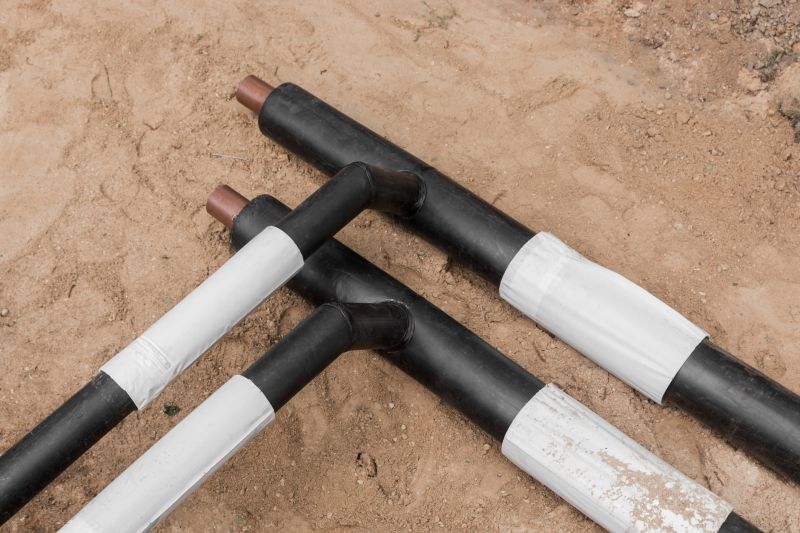
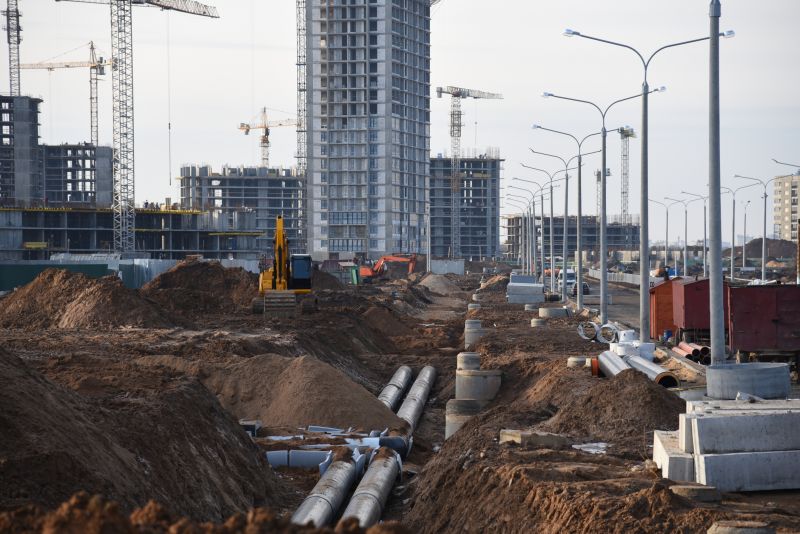
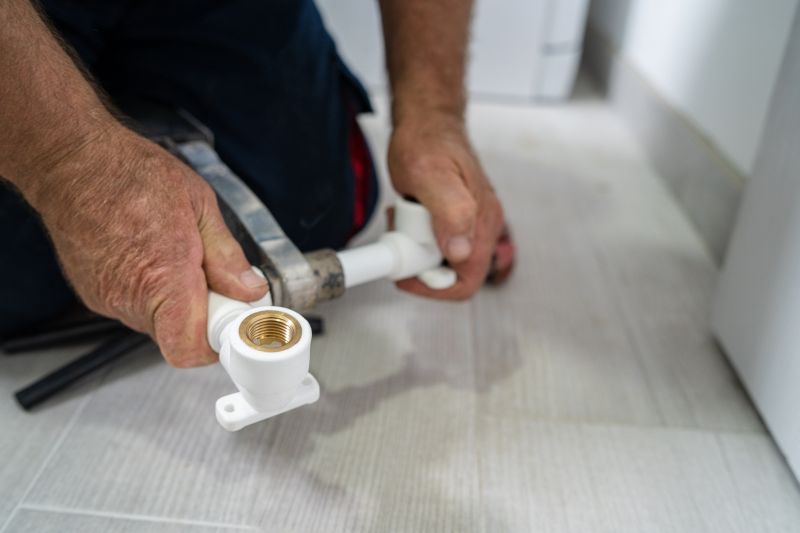
Piping replacement services involve removing and installing new pipes within a property’s plumbing system to ensure reliable and efficient water flow. This process typically includes assessing the current piping, removing outdated or damaged pipes, and installing modern materials that meet current standards. Local contractors use specialized tools and techniques to minimize disruption and ensure the work is completed properly. Piping replacement is often necessary when existing pipes are no longer functioning correctly or have become compromised over time.
This service helps resolve a range of plumbing issues, such as persistent leaks, low water pressure, or frequent pipe bursts. Older pipes made from materials like galvanized steel or cast iron can corrode or weaken, leading to costly repairs and water damage. Replacing these pipes can prevent future problems by eliminating sources of leaks and improving the overall integrity of the plumbing system. Piping replacement can also be essential when upgrading a property’s plumbing to accommodate modern fixtures or increased water demands.
Properties that typically require piping replacement include older homes with outdated plumbing systems, commercial buildings experiencing frequent plumbing failures, and properties undergoing renovations or remodels. Residential properties that have experienced repeated leaks, water discoloration, or reduced water flow may benefit from a piping upgrade. Commercial properties, especially those with high water usage, also often need piping replacement to maintain operational efficiency and prevent costly downtime. Service providers can evaluate each property’s specific needs to determine if piping replacement is the most effective solution.
Choosing to have piping replacement performed by experienced local contractors ensures the work is handled efficiently and correctly. These professionals can assess the condition of existing pipes, recommend suitable replacement materials, and carry out the installation with attention to detail. Proper piping replacement helps improve water quality, reduce the risk of water damage, and extend the lifespan of a property’s plumbing system. Contacting local service providers is a practical step for property owners who want to address plumbing issues or upgrade their piping infrastructure.
The overview below groups typical Piping Replacement projects into broad ranges so you can see how smaller, mid-sized, and larger jobs often compare in your area.
In many markets, a large share of routine jobs stays in the lower and middle ranges, while only a smaller percentage of projects moves into the highest bands when the work is more complex or site conditions are harder than average.
Smaller Repairs - minor pipe replacements or repairs typically cost between $250 and $600. Many routine jobs fall within this range, covering small sections or simple fixes. Larger or more complex repairs can exceed this range but are less common.
Partial Replacement - replacing a segment of piping usually ranges from $1,000 to $3,000 depending on the pipe material and accessibility. Many projects in this category are mid-sized and fall within this typical range, with fewer reaching higher costs.
Full Pipe Replacement - complete replacement of all plumbing pipes in a property can cost between $4,000 and $10,000. These larger projects are less frequent and tend to push into the higher end of the cost spectrum.
Complex or Custom Projects - extensive piping work involving custom installations or difficult access can surpass $10,000, with some projects reaching $15,000 or more. Such jobs are less common but are handled by local contractors for specialized needs.
Actual totals will depend on details like access to the work area, the scope of the project, and the materials selected, so use these as general starting points rather than exact figures.
Pipe Insulation Installation - local contractors skilled in pipe insulation can help improve energy efficiency and prevent pipe freezing during replacement projects.
Drain Line Replacement - professionals experienced in drain line work use similar planning and tools as piping replacement for effective results.
Gas Line Repair and Replacement - local service providers handle gas line work that requires careful planning and precise installation, akin to piping replacement.
Hydronic Heating System Installation - installing hydronic heating involves working with piping systems similar in scope and planning to water pipe replacements.
Water Main Replacement - replacing water mains involves excavation and pipe work comparable to residential or commercial piping upgrades.
Fixture and Valve Replacement - replacing fixtures and valves requires knowledge of plumbing systems similar to that used in piping replacement projects.
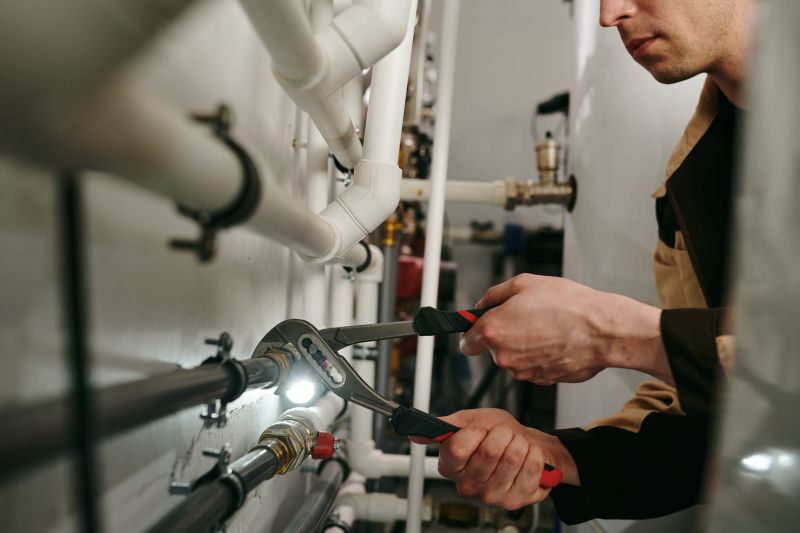
When comparing local service providers for piping replacement, it’s important to consider their experience with similar projects. Homeowners should inquire about the types of piping systems the contractors have worked on and whether they have handled projects of comparable scope and complexity. An experienced contractor will be familiar with common challenges and best practices, which can contribute to a smoother process and help ensure the work aligns with the homeowner’s expectations.
Clear, written expectations are a key factor in selecting a reliable piping replacement professional. Homeowners should seek providers who can offer detailed estimates and scope of work in writing. This documentation helps clarify what will be included in the project, prevents misunderstandings, and provides a basis for comparison between different options. Having a transparent outline of the work can make it easier to evaluate the professionalism and thoroughness of each service provider.
Reputable references and strong communication are also essential when choosing local contractors. Homeowners can ask for references from previous clients who had similar work done and follow up to learn about their experiences. Good communication throughout the process-from initial contact to project completion-indicates a contractor’s professionalism and dedication to customer service. It’s important to work with service providers who are responsive, clear, and attentive to questions, as this can significantly impact the overall experience of the piping replacement project.
Property owners use Piping Replacement services for practical projects around their homes and businesses. This guide focuses on everyday jobs and straightforward project options.
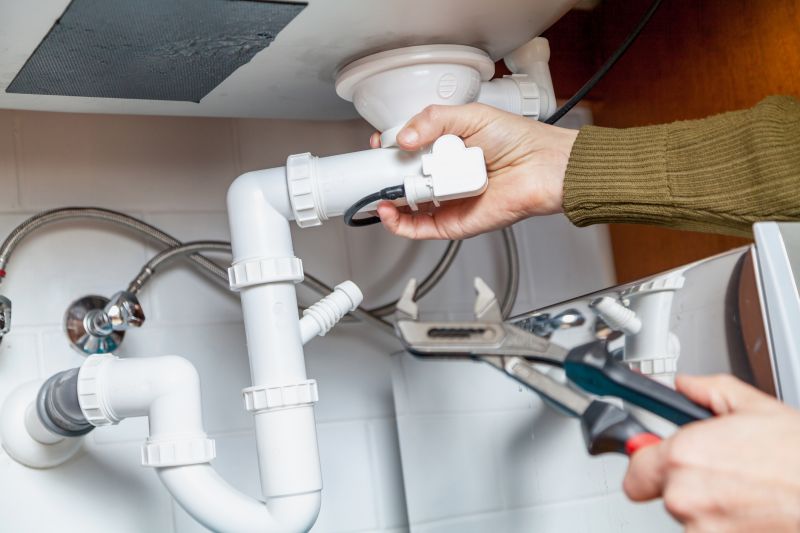
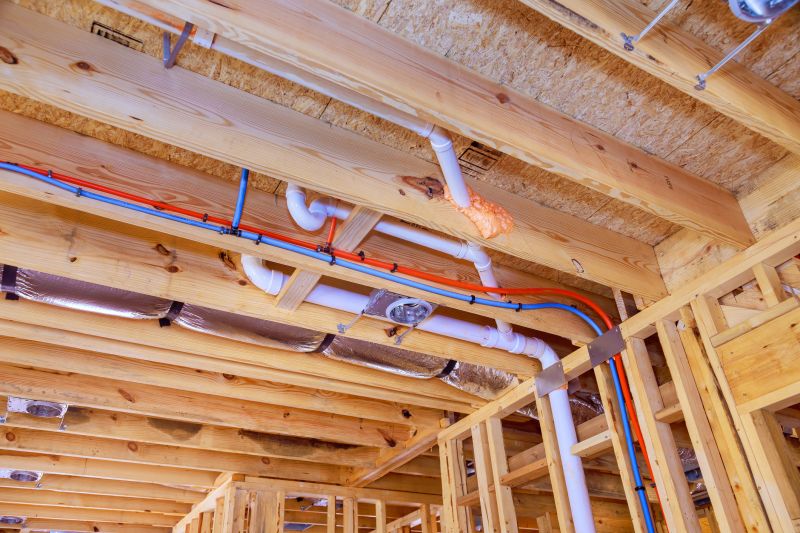
Piping replacement services are often needed when property owners notice leaks, reduced water pressure, or signs of pipe corrosion. These issues can arise from aging infrastructure, frequent pipe bursts, or damage caused by shifting ground or nearby construction. Local contractors can assess the situation and recommend appropriate solutions to restore proper water flow and prevent further damage, ensuring the property remains functional and safe.
In addition, property owners may seek piping replacement when upgrading plumbing systems during renovations or remodeling projects. Older homes with outdated materials might require pipe upgrades to meet modern standards or improve efficiency. Local service providers can handle these projects, providing the expertise needed to replace old or damaged pipes with new ones, helping to maintain the property's value and reliability.
When should I consider piping replacement? Piping replacement may be needed if pipes are leaking, corroded, or showing signs of deterioration that could lead to water damage or reduced efficiency.
What types of pipes are typically replaced during a service? Common pipes replaced include copper, PVC, and galvanized steel, depending on the age and condition of the existing plumbing system.
How can I tell if my pipes need replacing? Signs include frequent leaks, low water pressure, discolored water, or visible corrosion and damage on the pipes.
Are there different piping replacement options available? Yes, service providers can offer various options such as traditional pipe replacement, pipe relining, or pipe bursting, based on the situation.
How do local contractors handle piping replacement projects? They typically assess the existing plumbing, recommend suitable pipe materials, and perform the replacement with appropriate techniques to ensure proper function.
Preventing Water Damage - Replacing aging or damaged pipes can help avoid leaks that may cause water damage in the home.
Improving Plumbing Efficiency - Upgrading outdated pipes can enhance water flow and reduce utility bills for everyday use.
Preparing for Home Renovations - Installing new piping during remodeling projects ensures the plumbing system is modern and reliable.
Addressing Pipe Corrosion - Replacing corroded pipes can prevent future breakdowns and maintain consistent water quality.
If you are thinking about Piping Replacement for a property, this guide is meant to help you understand the work, the typical project types, and how different options might fit your plans.
When you are ready, you can use the quote form on this page to share a few details about your project. From there, local pros can review the basics and respond with options that match what you have in mind.